Skilled Plasterboard Application for a Immaculate Outcome
Professional drywall installation is often underestimated in construction projects. Yet, it holds considerable importance in achieving a elegant appearance. Competent professionals promise precise measurements and seamless finishes, which can greatly impact both appearance and resilience. Understanding the complexities of this approach is important for any property owner or developer. What are the key advantages explore this topic of hiring experts? And how can one steer clear of common pitfalls in DIY drywall projects?
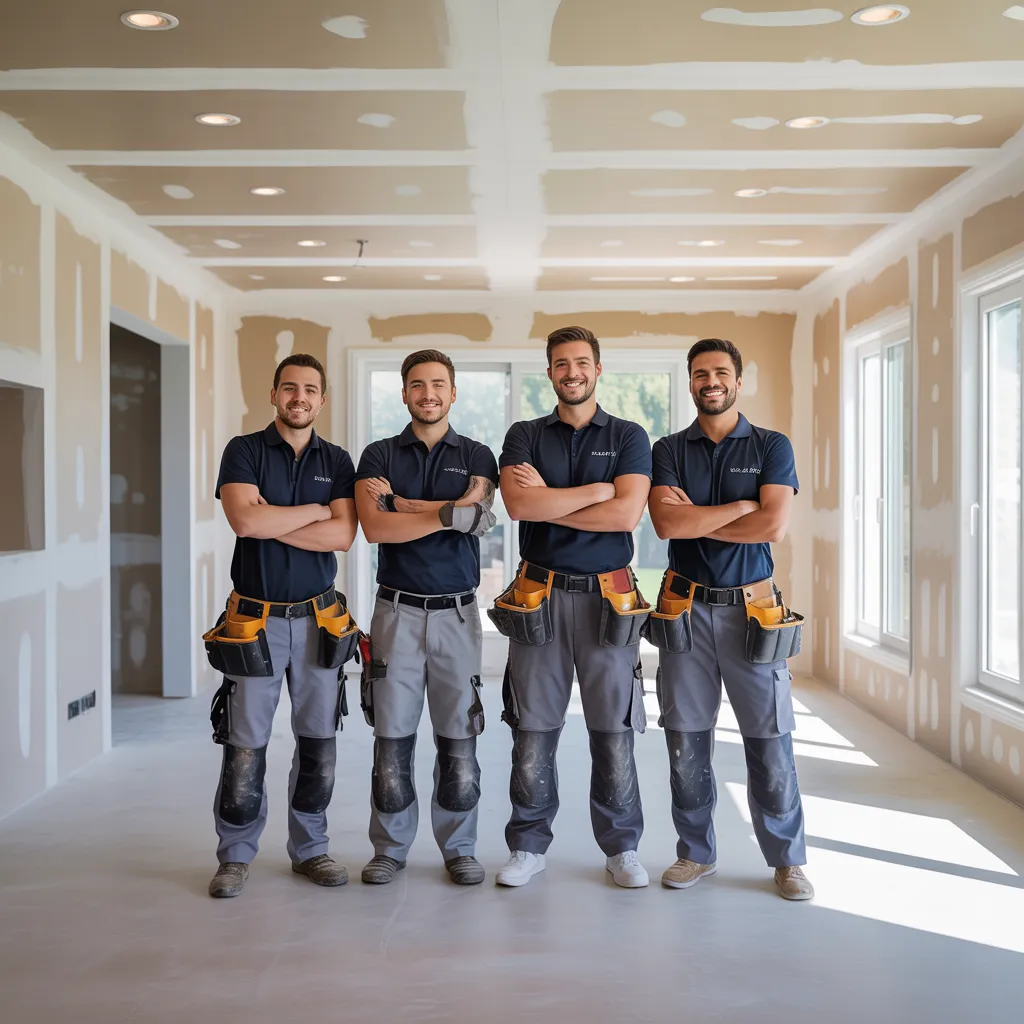
Why Expert Drywall Installation Is Essential for Your Project
While some homeowners may consider a DIY approach to drywall installation, the skill of professionals often proves essential for achieving superior results. Proper drywall installation demands a sharp knowledge of materials, methods, and tools that many DIY fans may lack. Experts provide years of experience, allowing them to handle complex jobs such as gauging, cutting, and installing drywall with accuracy.
Furthermore, they are proficient in tackling emerging issues, including uneven surfaces or building obstacles, which may emerge throughout the installation stage. Their familiarity with local building codes ensures that the labor adheres to safety protocols, circumventing future problems. Additionally, specialists can execute projects more productively, protecting homeowners valuable hours and minimizing the chance of expensive errors. In the end, contracting qualified contractors not only improves the standard of the finished product but also enables a smoother and more stress-free project journey.
Key Advantages of Employing Seasoned Contractors
Hiring experienced contractors for drywall installation offers multiple advantages that can greatly enhance the overall project outcome. To begin with, their expertise ensures precise measurements and cuts, decreasing material waste and lowering costs. Experienced contractors also possess comprehensive knowledge of local building codes and regulations, ensuring compliance and minimizing the risk of costly rework.
Additionally, trained specialists enhance performance to the project, often completing deployments in a reduced duration it would take an unskilled team. Their expertise in multiple instruments and approaches facilitates streamlined workflows and excellent output.
Moreover, bringing on veteran contractors offers peace of mind, as they usually carry insurance protection and guarantees, protecting homeowners from potential issues. In the end, opting for seasoned drywall contractors not only enhances the aesthetic appeal of the installation but also strengthens the work's lasting quality and resilience. This strategic choice promotes a more fulfilling and effective renovation journey.
Expert Approaches for Securing a Flawless Drywall Finish
Attaining a flawless drywall finish requires a combination of skill and precision. Professionals apply several techniques to guarantee ideal results. First, they thoroughly measure and cut drywall sheets to minimize seams, using a utility knife for clean edges. Proper installation entails securing sheets with screws placed strategically to prevent popping.
Next, experienced installers spread joint compound in delicate layers, allowing each coat to dry fully before sanding. Sanding is important; using fine-grit sandpaper helps achieve a smooth surface while preventing damage to the drywall.
Furthermore, professionals employ implements like drywall knives to apply joint compound evenly, ensuring smooth transitions between panels. They recommend blending the edges for a more refined finish. Finally, a brightly illuminated work area helps with spotting imperfections, permitting timely corrections. By adhering to these techniques, drywall specialists can accomplish a superior, flawless surface that improves the overall aesthetic of any space.
Recommendations for Identifying the Best Drywall Expert
Picking the suitable drywall professional can notably shape your project's excellence. To achieve a successful result, homeowners must stress professionals with solid experience and glowing reviews. Studying internet ratings and asking for recommendations from friends and family can supply critical information.
It is also essential to verify the contractor's licenses and coverage, as this protects both parties in case of accidents. Obtaining detailed quotes from several contractors can help compare costs and services, allowing for informed decisions.
Additionally, strong dialogue is essential; contractors should demonstrate quick response and clarity regarding schedules and work requirements. Consulting previous clients can reveal the contractor's dependability and professional standards. Finally, evaluating the contractor's portfolio can showcase their skill level and fit for particular job requirements. By adhering to these recommendations, homeowners can select a drywall contractor that satisfies their needs for a high-quality finish.
Widespread DIY Drywall Mishaps to Circumvent
When starting DIY drywall installation, several common mistakes can obstruct the final result. Improper measurement techniques can lead to misaligned panels, while insufficient joint taping may cause unsightly seams and cracks. Recognizing these pitfalls is essential for achieving a professional-looking finish.
Faulty Measurement Techniques
Many do-it-yourself enthusiasts overlook the importance of accurate measurements in drywall installation, which may cause costly mistakes. Inaccurate measurements often lead to incorrectly cut drywall sheets needing extra cuts or patches, compromising the overall finish. Additionally, miscalculations can cause loss of materials, increasing project costs and time. A typical error includes failing to consider obstacles such as electrical outlets or windows, resulting in misfit pieces. Likewise, neglecting to double-check measurements before cutting can exacerbate these issues. To avoid these errors, DIYers should invest time in precise measuring techniques, using reliable tools and methods. This careful attention to detail not only enhances the quality of the installation but also leads to a more professional-looking result.
Inadequate Joint Sealing
Neglecting adequate joint taping is a common mistake among DIY drywall installers. Poor taping can create visible seams and imperfections that undermine the wall's overall appearance. Many beginners fail to recognize the need to apply enough tape and mud for a seamless finish. Skipping embedding can cause bubbles and uneven surface areas, weakening the installation’s structural soundness. Furthermore, not properly feathering edges can leave noticeable ridges that are tough to hide when painting. For best results, using the correct tape type and applying multiple layers of joint compound is crucial, with each layer allowed to dry and sand fully before continuing. This careful approach is key to a impressive finish.
What You Should Understand When Having Drywall Installation Done
Installing drywall can be a life-changing experience for any area, offering a fresh canvas for decoration. Homeowners can expect a detailed process that begins with a careful assessment of the space. Professional installers will calculate and cut drywall sheets to fit, ensuring minimal waste. The installation typically involves securing the sheets to wall studs or ceiling joists using fasteners or nails.
Once the drywall is installed, the next step is tape and joint compound application, which creates a seamless finish. This stage demands expertise to avoid visible seams and imperfections. After the mud cures, sanding is essential to achieve a smooth surface, readying it for painting or finishing. Throughout the process, homeowners may notice dust and noise, as well as the professionals working efficiently to minimize disruption. Clear communication with the installers regarding timelines and expectations guarantees a smooth experience from start to finish.
How to preserve Your Drywall for longevity
Maintaining drywall is essential for ensuring its longevity and appearance. Regular inspections and prompt repairs can stop minor issues from developing into significant damage. Additionally, using appropriate cleaning methods helps maintain the condition and structural quality of the drywall over time.
Regular Evaluations and Repairs
Routine assessments and prompt maintenance are vital for preserving the durability of drywall. Homeowners should perform regular inspections for fractures, moisture harm, or signs of mold. Identifying problems soon can prevent more extensive damage and costly repairs. If any imperfections are found, addressing them quickly is vital. Small fractures can often be patched with joint compound, while bigger damage may require patching or even replacing portions of drywall. Additionally, it is important to check for any moisture issues, as extended exposure can compromise drywall strength. Regular maintenance not only improves appearance but also sustains the structural stability of surfaces. Establishing a schedule for these checks can greatly extend the lifespan of drywall in any home.
Proper Cleaning Methods
To keep drywall in excellent shape, efficient cleaning techniques that avoid dirt and grime buildup are necessary. Dusting regularly with a microfiber cloth or a soft broom aids in keeping a clean surface. When dealing with tougher stains, a mix of mild soap and water is advised; still, avoiding too much moisture is crucial because it can harm the drywall. A soft sponge and gentle scrubbing can erase marks while preserving the finish. Specialized cleaners may be required for grease or oil stains. Once cleaned, ensure the area is completely dried to stop mold growth. Regular maintenance and appropriate cleaning methods extend the lifespan of drywall, preserving its appearance and structural integrity.
Frequently Inquired Questions
How Much Time Does Professional Drywall Installation Ordinarily Need?
Professional drywall setup typically requires one to three days, based on the project's size and difficulty. Factors like planning, application methods, and drying times also affect the total timeframe of the installation process.
What Costs Are Part of Hiring a Drywall Contractor?
Expenses associated with contracting a drywall contractor typically span from $1.50 to $3.50 per square foot. Determinants shaping pricing include labor, materials, project complexity, and location, markedly impacting overall costs for homeowners.
Can Drywall Be Applied Over Current Walls?
Yes, drywall can be installed over existing walls, as long as the underlying structure is sound and complies with building codes. This method can save time and labor, but may add to wall thickness and necessitate modifications to trim and fixtures.
Which Elements Are Frequently Applied for Drywall Installation?
Primary materials used for drywall installation feature gypsum boards, joint compound, drywall tape, screws, and corner beads. Additionally, devices such as a utility knife, drywall saw, and T-square serve essential roles in the installation process.
Are Particular Permits Essential for Drywall Setup Projects?
Specific permits for drywall setup depend on local requirements. Frequently, residential projects need permits, especially if structural changes are included. Speaking with local construction officials ensures compliance with codes and safety requirements during setup.